Luis Meneses
- Based in
- Hermosillo, Mexico
- Spanish
- Native
- English
- Professional — half my working day at an intralogistics company was in English, with a team in the United States.
- Dutch
- Words, not sentences — yet.
I write software for places where being wrong has a physical cost — a batch that goes out of spec, a truck weighed twice, a line that stops. Thirteen systems of mine are running on customer sites right now.
The shape of the career
I learned Lua because my brother was already writing it. He programmed weight indicators for a living without being a programmer, so his projects worked and had no structure — no methodology, no objects, the same logic copied into five places. I learned the language from YouTube and from him, and I paid him back in architecture.
That is still roughly what I do: take a process somebody already understands physically, and give it a shape that survives the second installation.
End to end, by necessity
I prospect the customer, write the proposal, build the software, install it, commission it on site, train the operators and answer the phone when it breaks. Thirteen installations across feed production, poultry, bulk weighing, recycling and one appointment system that has nothing to do with any of it.
Working that way teaches you something a specification never will: the cost of a decision shows up in your own week. A confusing screen becomes a support call you take. A fragile design becomes a drive to a plant.
One I got wrong
A web layer I built pinged the local machine every five seconds to stay in sync. It was fine in testing and it slowly strangled the server in production — the machine got slower and slower and it was my code doing it.
Nothing in that system needed to happen every five seconds; the work only had to run after an action. I replaced the poll with a task triggered by the event that actually mattered. I now start from what triggers the work, not from an interval.
Ochmen
Básculas Ochmen is a family business. My father founded it more than thirty years ago and it is where I learned to work. Not the technical part — the other part. That you show up on time. That the quality of the work carries your name and your family’s name on it. That the customer is not a ticket, they are somebody with a problem you agreed to solve.
And something engineers are rarely taught: the work has to make money. The customer gets their solution and the company has to earn a margin, because that margin is how everyone here keeps moving — my family, and the people who work with us.
Why the Netherlands
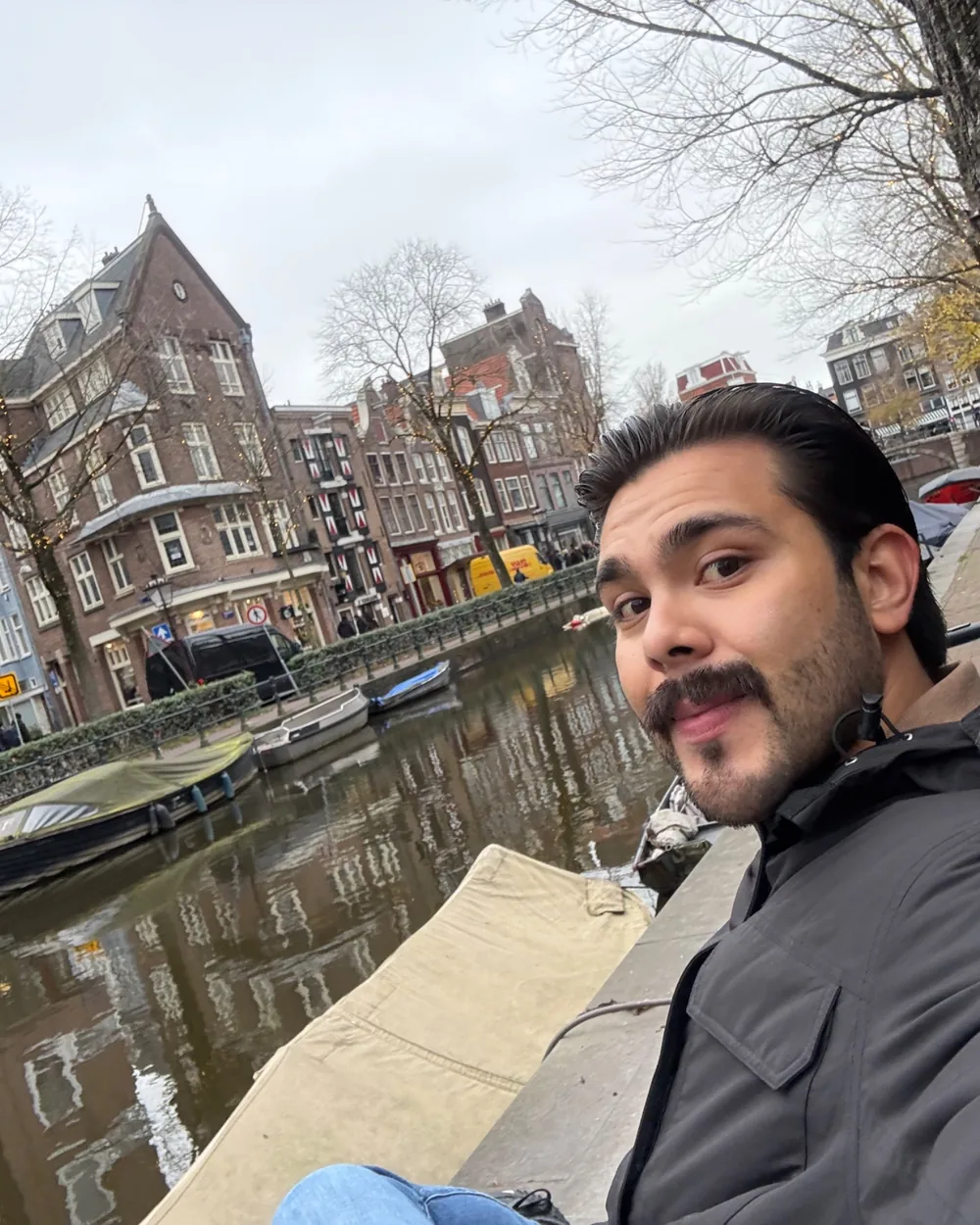
When I was a kid it was canals in photographs. Then I went, and it stopped being a picture. What decided it was smaller than the scenery: people there let each other be, the engineering is further ahead than what I can reach from here, and the working day ends. I am not looking for a bigger title. I want to build systems in a place that is better at building them, and have a life after them.
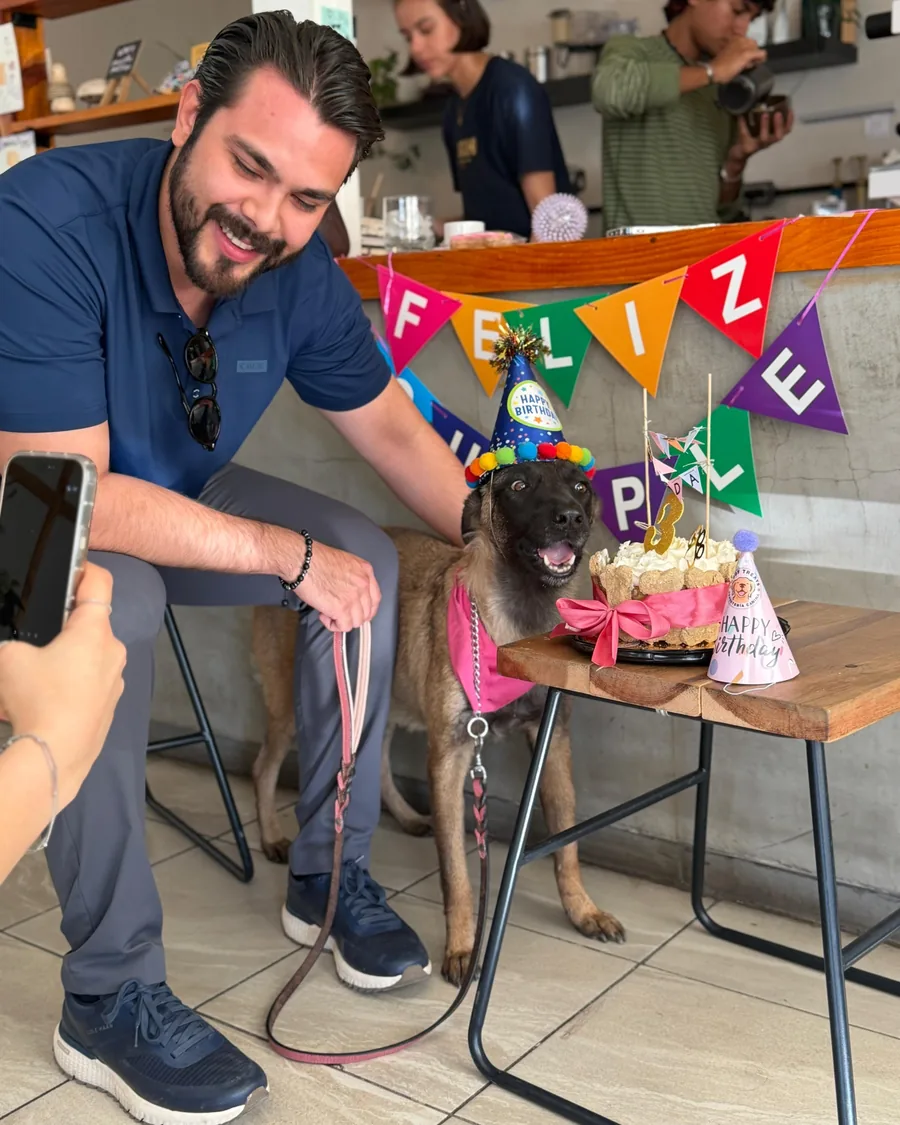
I trained my dog for it. Mika used to bark at other dogs in cafés; I took her to a specialist so she could settle anywhere, because wherever I end up, she is coming.
Most of the people who use my software never finished school
So the operator screen has to be obvious before anyone explains it, every flow has an info button that walks through it step by step, and I still print a hard-copy manual — the flow in order, the errors they are likely to hit, and what to do about each one. Managers get a different product entirely: reports and catalogues, for people who are comfortable with software.
And large customers do not let software in without a conversation
Some of the biggest companies in Mexico guard their data closely, and I have sat through many meetings with their IT departments: what the software does, where it installs, what it installs, whether it needs an administrator account or a standard one, and exactly what data leaves the plant and what gets written to the server. I got better at those meetings than I was at the first one. Explaining to somebody else’s IT department how you protect their data is its own skill.
-
 Mika
Belgian shepherd. She used to bark at other dogs, so I trained her with a specialist until she could settle anywhere. She sleeps under the table while I work in cafés. She is coming to the Netherlands.
Mika
Belgian shepherd. She used to bark at other dogs, so I trained her with a specialist until she could settle anywhere. She sleeps under the table while I work in cafés. She is coming to the Netherlands.
-
 Running club
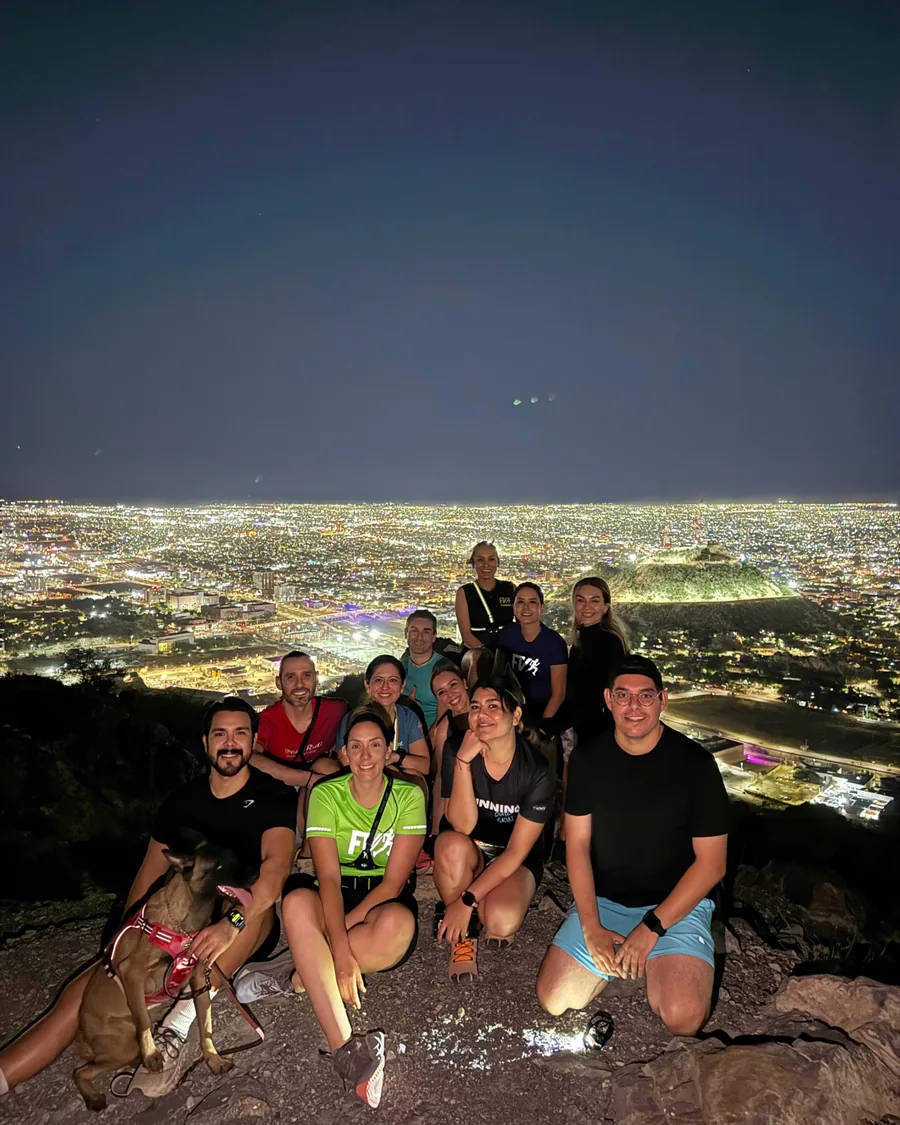
I pay a coach and show up. We run the streets of Hermosillo, and the club is as much the parties and the book club as the training.
Running club
I pay a coach and show up. We run the streets of Hermosillo, and the club is as much the parties and the book club as the training.
-
 Working from cafés
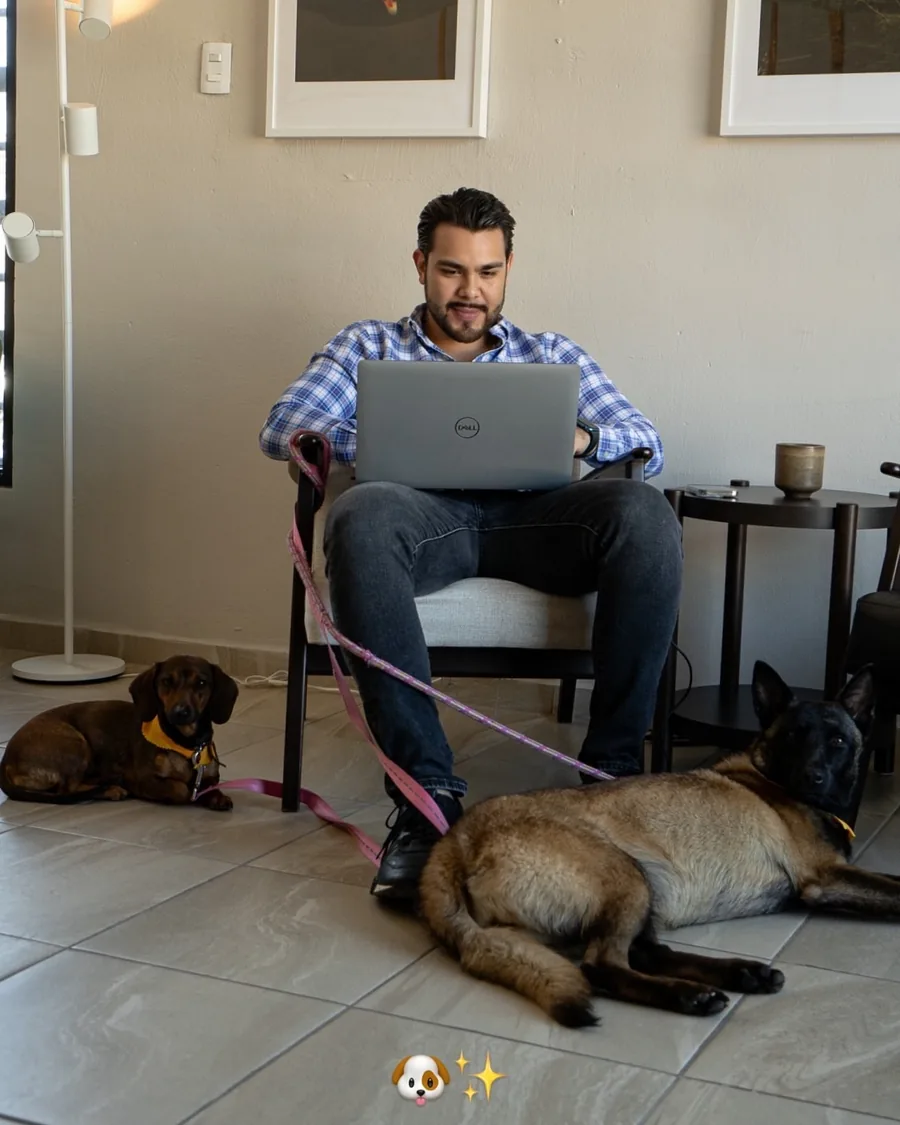
Where a lot of this got built — Mika under the table.
Working from cafés
Where a lot of this got built — Mika under the table.